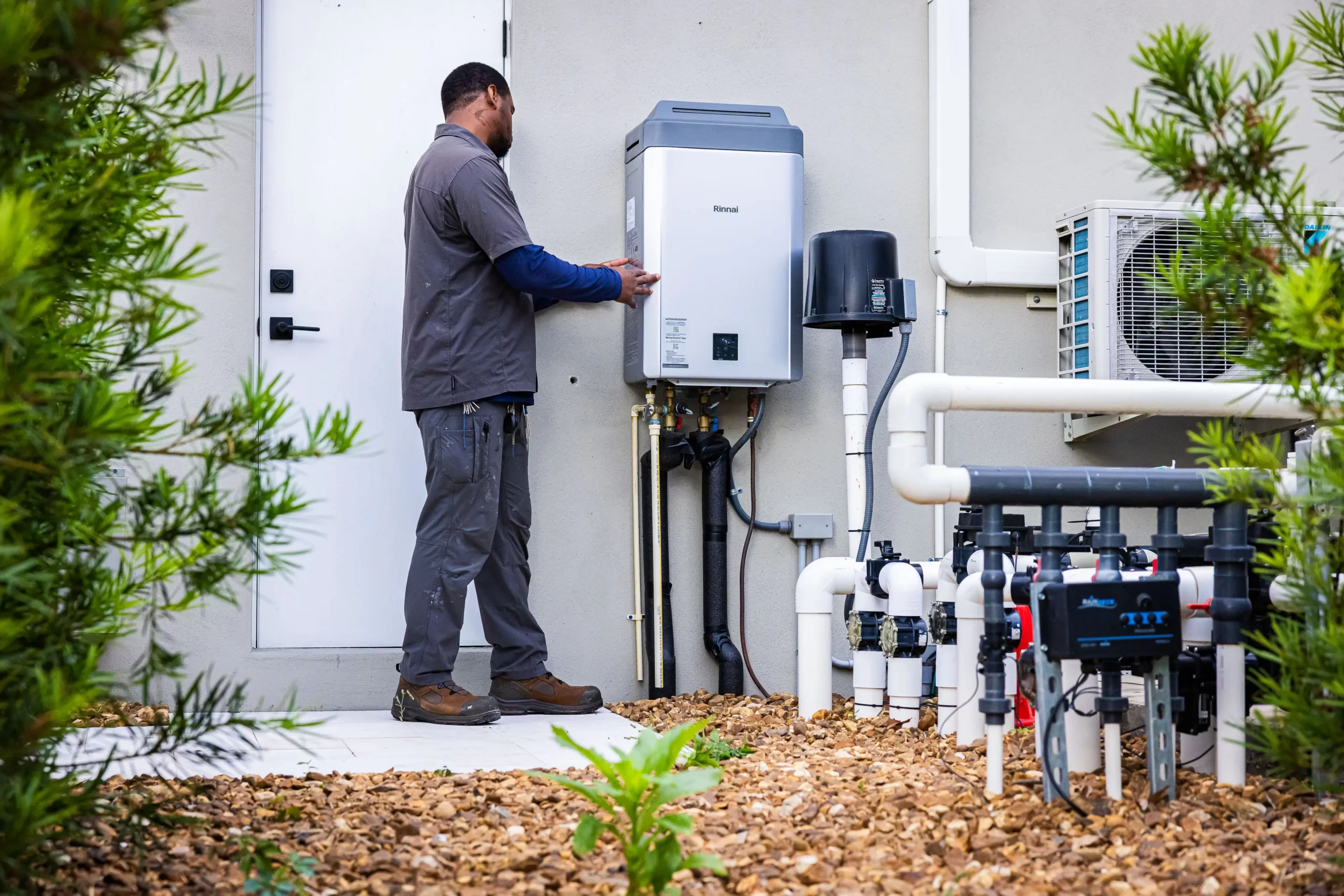
October in Central Florida may not exactly feel like winter, but cooler mornings and evenings are on the way.
If you want to keep enjoying your pool through the fall and winter, now is a good time to make sure your pool heater is ready. Waiting until the first cold weekend to turn it on can mean discovering a problem right when you actually want to use it — or realizing your pool needs more time to warm up than you expected.
Whether you have a pool heat pump or a gas pool heater, a little planning can make a big difference once temperatures start dropping.
Test Your Pool Heater Before You Need It
If your pool heater hasn't run in a while, don't make the first cold weekend of the year its test run.
Turn it on ahead of time and make sure it's operating normally. Is it starting properly? Is the pool actually getting warmer? Are you seeing any error codes or noticing anything unusual?
If something doesn't seem right, it's much better to address it now than when cooler weather has already arrived.
Don't Wait Until the Coldest Day to Turn It On
One of the biggest misconceptions about pool heating is that you can always turn the heater on and have warm water a few hours later.
How quickly your pool heats depends on several factors, including the type and size of your heater, the size of your pool, your starting water temperature and the weather outside.
If you know cooler weather is coming and you plan to use the pool, give your heater time to get ahead of the temperature drop rather than waiting until the coldest day to turn it on.
Pool Heat Pumps vs. Gas Pool Heaters
Not all pool heaters work the same way.
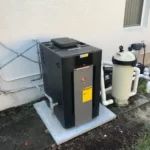
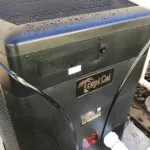
Pool heat pumps pull heat from the surrounding outdoor air and transfer it into the pool water. They typically heat the water more gradually, and their performance can be affected by outdoor temperature and humidity.
Gas pool heaters create heat by burning fuel and can generally raise the water temperature more quickly. They can be a good option when faster heating is important or when the pool isn't kept heated all the time.
Neither option is automatically the right choice for every pool. The best setup depends on how you use your pool, the equipment you have and what you expect from your heating system.
Remember: Outdoor Temperature Matters
This is especially important if you have a pool heat pump.
Because a heat pump relies on heat from the outdoor air, its ability to warm your pool can change as outdoor temperatures drop. During colder weather, the heater may need to run longer to reach or maintain your desired water temperature.
Pool size, heater capacity, starting water temperature, wind and other conditions can also affect how quickly your pool warms up.
So if your pool takes longer to heat during a cold snap than it does on a mild Florida day, that doesn't necessarily mean something is wrong with the heater.
Give Your Pool Pump Enough Time to Run
Your pool heater can only heat the water while water is circulating through the system.
If you're trying to bring the pool up to temperature, your normal pump schedule may not provide enough runtime. Depending on your equipment and conditions, you may need to increase the amount of time the pump and heater are operating.
If you're not sure how your pool equipment should be set up for heating, it's always better to ask than start changing settings without knowing how the system is designed to operate.
Yes, a Pool Cover Can Help
A lot of the heat in a swimming pool can be lost from the surface — especially overnight when temperatures drop.
Using a pool cover when the pool isn't being used can help reduce heat loss and make it easier for your heater to maintain the water temperature you've already paid to create.
Think of it this way: your heater is working to put heat into the pool. A cover can help keep more of that heat there.
Know When Something Isn't Normal
Taking longer to heat during colder weather can be normal, particularly with a heat pump. But there are also signs that your pool heater may need to be looked at.
It's worth having your system checked if:
- The heater won't turn on at all.
- It starts and then repeatedly shuts off.
- You're seeing an error code.
- The heater is running but the pool isn't getting warmer.
- You notice unusual noises, smells or other changes in how the equipment operates.
- Your pool is taking significantly longer to heat than it normally does under similar conditions.
A pool heating system works alongside your pool pump, water flow, controls and other equipment, so the heater itself isn't always the source of the problem. Proper troubleshooting can help determine what's actually going on.
Get Your Pool Ready Before Cooler Weather Arrives
One of the best parts of living in Central Florida is that pool season doesn't have to end when summer does.
If you want to keep swimming through the cooler months, October is a great time to test your equipment, make sure everything is operating properly and learn how your particular pool heating system performs before you really need it.
And if something doesn't seem right, Kalos can help diagnose and repair both pool heat pumps and gas pool heaters.